
Renewable Energy
Supporting clean energy in West Oxfordshire
Renewable energy is generated from naturally replenished sources such as sunlight, wind, water and biomass. These technologies enable us to produce energy without relying on fossil fuels and play a vital role in reducing greenhouse gas emissions.
Developing local, low-carbon energy systems is essential to achieving a net-zero future. Alongside improving energy efficiency and reducing demand, renewable energy provides cleaner, more secure, and locally generated power for homes, businesses and communities.
Strategic energy planning
West Oxfordshire District Council is working with partners across Oxfordshire to plan how the local energy system will evolve on the path to net zero.
Through Oxfordshire Local Area Energy Planning (OxLAEP), the Council are helping to identify the most effective ways to deliver future energy infrastructure. This includes renewable electricity generation, heat networks, heat pump deployment, and electricity grid upgrades. Planning for these changes now will help ensure West Oxfordshire is prepared the for a low-carbon energy future.
The Council also is also collaborating on a range of county-wide initiatives, including:
- Local Electric Vehicle Infrastructure (OxLEVI) scheme to expand electric vehicle charging networks
- Supporting the transition to low-carbon heating, such as heat pumps
- Exploring smart energy systems and local renewable generation
- Improving the energy performance of buildings across the district
This strategic approach ensures the energy system can meet growing demand while reducing emissions and improving resilience.
Improving Council buildings
The Council has already completed a range of projects to improve the condition and energy performance of its buildings, reducing operational carbon emissions through refurbishment, energy efficiency measures and renewable energy installations. This work is ongoing, with the Council continuing to review opportunities across its wider property portfolio to improve building performance, reduce emissions and support long-term sustainability.
- Completed condition surveys and refurbishment projects to improve the quality, efficiency and long-term performance of Council buildings.
- Air source heat pumps have replaced gas boilers at Windrush Leisure Centre.
- Energy efficiency has been improved in the Town Centre Shop at 3 Welch Way.
- Heat decarbonisation plans have been prepared for several council owned buildings.
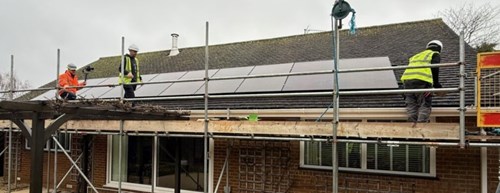
- Solar panels installed at Carterton Leisure Centre and Elmfield offices to generate renewable electricity.
These projects form part of the council’s Carbon Action Plan and our commitment to achieve carbon neutrality in operations.
Community energy and local generation
Community-led energy projects play a key role in generating clean electricity, while keeping environmental and economic benefits within the local area. These initiatives enable residents, businesses, and organisations to work together on renewable energy projects, energy efficiency improvements, and climate action.
Across Oxfordshire, a growing number of community energy groups are delivering solar projects, providing energy advice services, and creating local investment opportunities. Supporting these initiatives helps accelerate the transition to clean energy while strengthening community involvement.
The Southill Solar Community Project is widely recognised as an example of good practice. It demonstrates how community organisations can deliver large-scale renewable energy projects that generate clean, local electricity. To support its long-term sustainability, the Council approved a loan to project at Full Council on 22 January 2020.
Renewable energy at home
Households also have an important role to play in the transition to clean energy. Installing renewable technologies can reduce carbon emissions, lower energy bills, and enable homes to generate their own electricity or heat.
If you are considering renewable energy options, the following organisations provide guidance and advice:
- National Energy Foundation (NEF) - Information on solar and other renewable technologies.
- Centre for Sustainable Energy - Independent guidance on renewable energy options
- Which? - Advice on heating your home with renewable energy technologies such as heat pumps.