
Sustainable travel
Getting around West Oxfordshire sustainably
Transport is one of the largest sources of carbon emissions in the district. Choosing more sustainable ways to travel can help reduce emissions, improve air quality, and support healthier communities.
Across Oxfordshire, the Local Transport and Connectivity Plan (LTCP) sets out a vision for a transport system that enables the county to thrive while protecting the environment and improving quality of life for residents. This includes reducing unnecessary journeys, supporting active travel, and making public and shared transport easier to use.
This page provides information on ways to travel more sustainably in West Oxfordshire, including walking, cycling, public transport, electric vehicles and shared travel options.
Walking and Cycling
Walking and cycling are among the most sustainable ways to travel, particularly for short journeys. They help reduce congestion, improve health and help lower carbon emissions.
Local Cycling and Walking Infrastructure Plans (LCWIPs) are being developed across Oxfordshire to identify improvements to walking and cycling networks. These plans aim to create safer, more connected routes linking homes with schools, town centres, workplaces and public transport.
Current plans include Witney, Chipping Norton and Eynsham areas, helping to prioritise new routes, safer crossings and better connections between homes, schools, town centres and public transport.
Further LCWIPs are expected to be developed for other areas of the district over time, supporting long-term investment in active travel infrastructure and helping more people choose sustainable ways to travel.
For ideas and information about different ways to travel and move around Oxfordshire visit the Better Travel pages.
Public transport
Public transport plays a key role in reducing traffic and emissions while enabling efficient and accessible travel.
Across Oxfordshire, efforts are underway to improve bus services, strengthen rail connections, and better integrate public transport with walking and cycling routes. Making public transport easier to use helps reduce reliance on private car journeys.
Many journeys can also combine different modes of transport, such as walking or cycling to a bus stop or train station.
For further information on bus and train routes and timetables visit:
- Oxfordshire County Council public transport pages.
- Local bus operators and community transport serving West Oxfordshire.
- Local train operator and timetables GWR.
- Connecting communities through rail, bus and active travel – Oxfordshire Community Rail Partnership.
- Explore the Cotswolds National Landscape through the car free travel map.
Electric vehicles and charging
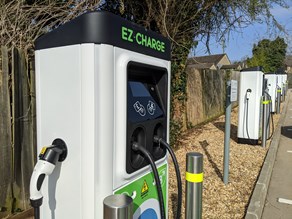 Electric vehicles (EVs) are an important part of reducing emissions from transport, particularly for journeys where driving remains necessary.
The Council is part of the Oxfordshire Local Electric Vehicle Infrastructure (OxLEVI) scheme, a countywide project that will triple public EV charging provision.
The Council has already installed 76 electric vehicle charging points across the district. These chargers offer contactless ‘tap and go’ payment and are compatible with all electric vehicles using a Type 2 connector.
For a full list of charging locations, visit ZapMap.
Shared and smarter travel
Not every journey requires a private car. Shared travel options can help reduce congestion, lower costs, and cut emissions.
- Oxfordshire Liftshare - Connect with others making similar journeys and share car trips.
- Car clubs operate in Witney and Eynsham through providers including Enterprise CarClub and Co Wheels, offering shared low-emission and electric vehicles that residents can book on a pay-per-use basis as an alternative to private car ownership..