Preparing for a changing climate

Developing climate resilient communities

Climate change, driven by rising greenhouse gas emissions, is affecting the weather we experience locally. While reducing emissions remains essential to limit future warming, we must also prepare for the changes that are happening now. In West Oxfordshire we are seeing hotter summers, heavier rainfall and longer dry periods. These changes can increase risks such as flooding, overheating in homes and pressure on water supplies.

Preparing for these changes is known as climate resilience. It means helping people, communities and local services prepare for extreme weather, reduce risks and recover more quickly when disruption occurs. To understand how these changes may affect the district, read the Met Office’s Climate Report for West Oxfordshire, which provides local projections for future temperatures, rainfall and climate-related risks.

Across Oxfordshire, local councils and partners are working together through the Climate Change Adaptation Route Map for Oxfordshire to strengthen resilience for residents, businesses and communities. In West Oxfordshire this includes:

  • Delivering actions from the Route Map.
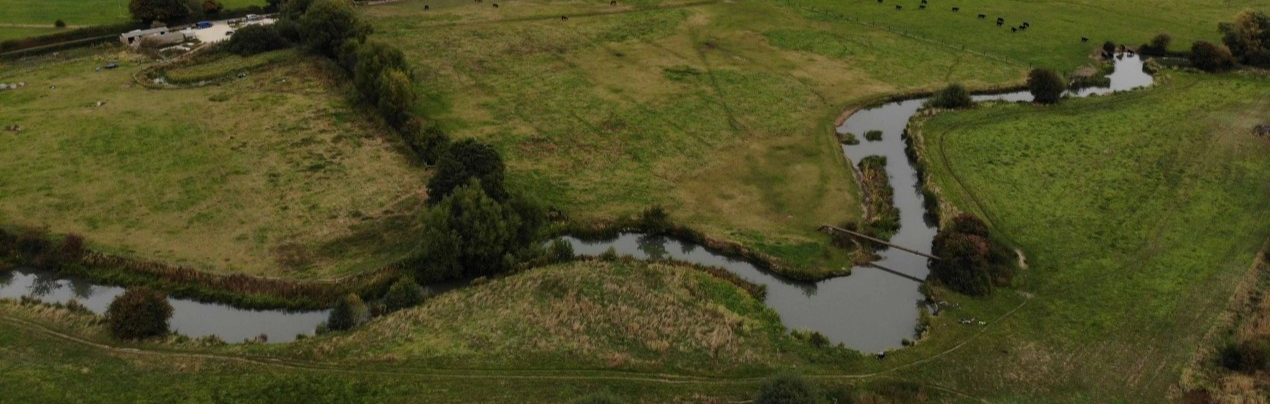
  • Working with river catchment partnerships, landowners, and farmers to support natural flood management.
  • Helping communities prepare for extreme weather events.
  • Supporting vulnerable residents during periods of severe heart flooding, or other disruptions in partnership in emergency services and local organisations.

Practical guidance for residents and communities

For more detailed advice on preparing homes, supporting nature, building community resilience, and adapting to changing weather conditions, download our guide:

The guide provides practical steps to help people protect their homes, support local wildlife, strengthen neighbourhood networks, and prepare for extreme weather.

Preparing for heatwaves

Periods of very hot weather can affect everyone, but older people, young children, those with health conditions and people who work outdoors may be particularly vulnerable. Communities can help by checking on neighbours, sharing trusted public health advice and making suitable community buildings available as cool spaces.

The Energy Saving Trust provides great guidance on keeping buildings cool.

Sign up for Met Office weather warnings and visit the government’s Beat the Heat guidance for advice on preparing for and staying safe during hot weather.

What climate resilience means

Climate resilience is about preparing people, places and systems for the impacts of climate change, this includes:

  • Reducing risks to homes, infrastructure, services and natural habitats.
  • Supporting vulnerable residents during heatwaves, flooding or storms.
  • Designing neighbourhoods that cope better with extreme weather.
  • Strengthening community networks so people can respond and recover together.

Building resilience sits alongside reducing emissions and restoring nature as a key part of addressing climate change.

Actions that can help build resilience

There are many simple actions that individuals and communities can take to prepare for changing conditions:

  • Supporting nature through wildlife-friendly gardens, trees and green spaces.
  • Improving homes to reduce overheating, damp and flood risk.
  • Saving water and using it more efficiently during dry periods.
  • Preparing households and neighbourhoods for extreme weather events.
  • Supporting resilient travel, community networks and local infrastructure.

Small changes, taken by many people, can make a significant difference to how well communities cope with future climate impacts.